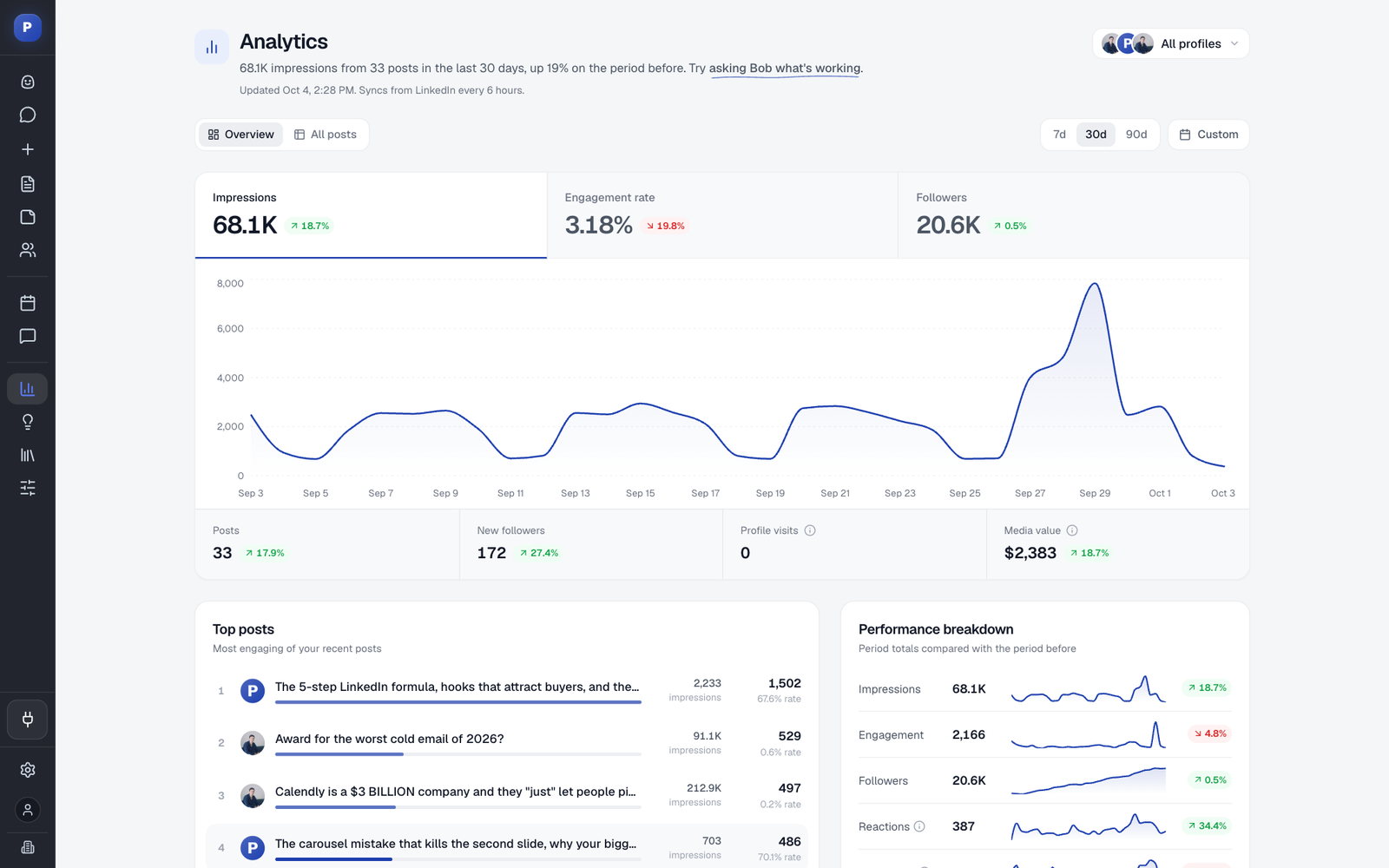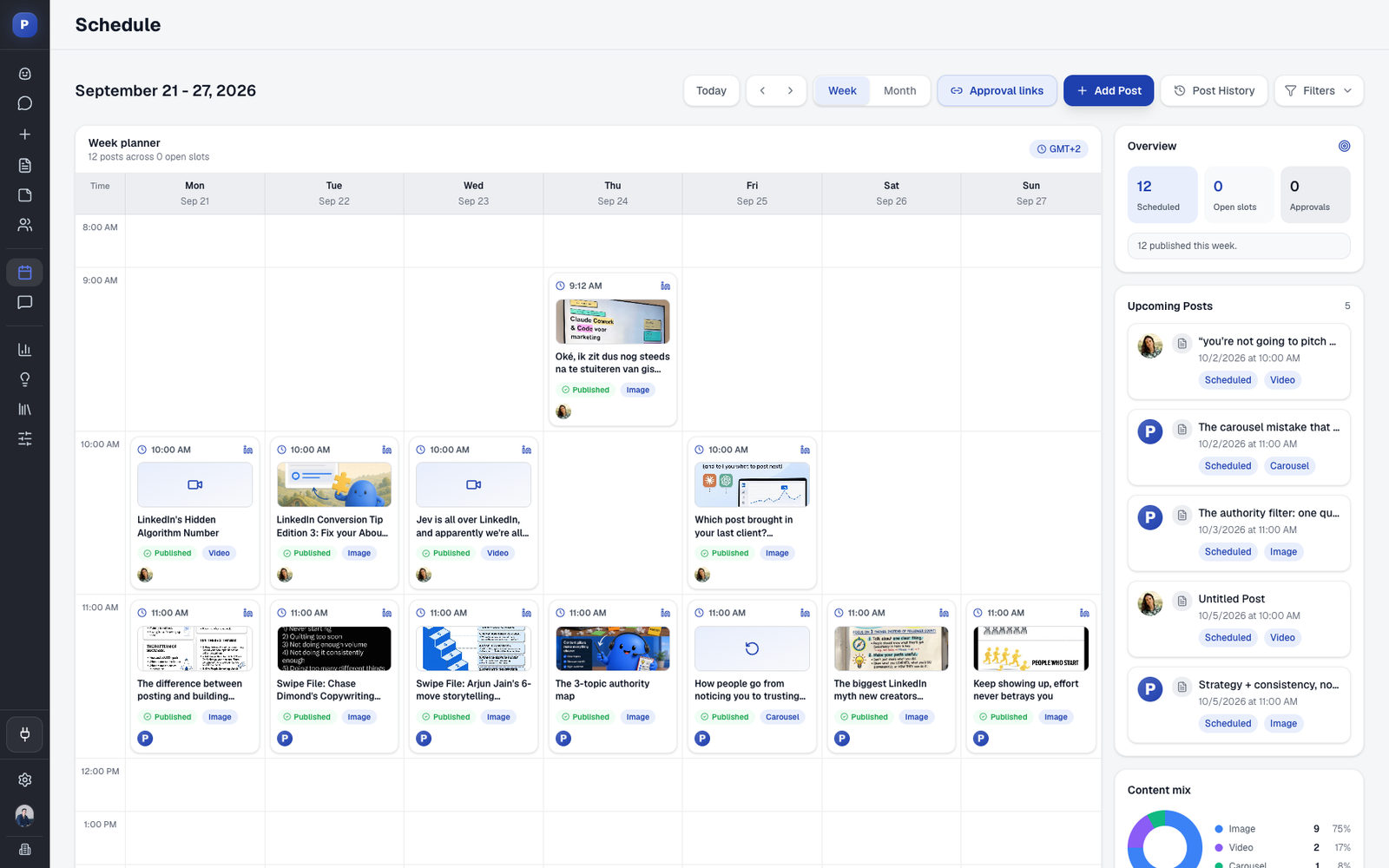

In the crowded professional arena of LinkedIn, where millions of members compete for attention, visibility is everything. A well-crafted post can easily get lost without the right amplification. The key to breaking through the noise is a thoughtful approach to LinkedIn hashtags. These are not just trendy labels; they are practical tools that categorize your content, signal what it is about, and help interested readers find your expertise.
Short on time? Use our free LinkedIn hashtag generator to get relevant, niche, and trending tag ideas for any topic, then use this guide to choose the right three to five.
A haphazard strategy of simply adding a few popular tags to your posts is no longer sufficient. To truly expand your reach, you need a balanced mix of broad, niche, and industry-specific hashtags precisely tailored to your content's goals and target audience. Understanding the fundamentals is a great starting point; for those looking to build a solid foundation, exploring a detailed guide on how to use hashtags effectively can provide a significant boost to your engagement across different platforms.
This guide moves beyond generic advice to deliver a detailed roundup of the 10 most essential LinkedIn hashtags you need to know. We will dissect each one, revealing its target audience, strategic advantages, and practical implementation tips for immediate application. You will learn not just what to post, but how to tag it to ensure your insights consistently reach the right professionals. Get ready to turn your hashtag strategy from an afterthought into your most dependable growth asset on LinkedIn.
How Many Hashtags Should You Use on LinkedIn? (The 3 Hashtag Rule)
Use three to five hashtags per LinkedIn post. The "3 hashtag rule" is a rule of thumb: pick three relevant tags, ideally one broad, one niche, and one community or branded, and add a fourth or fifth only if it genuinely describes the post. A few guides suggest staying at two or three, which is a fine conservative choice.
Here is how the three slots usually work:
- One broad tag that names the general field, such as
#LinkedInMarketing. - One niche tag that names the exact topic, such as
#SaaSMarketing. - One community or branded tag your regular readers recognize, such as
#PersonalBrandor a tag tied to your company.
Put the hashtags at the end of the post so the first lines stay clean and readable. A post with three tags looks like this:
Most B2B teams do not have a content problem. They have a topic problem.
Pick two or three subjects you can talk about for a year, then post about them every week.
#ContentStrategy #B2BMarketing #LinkedInMarketing
Adding more rarely helps. A long list of tags makes a post look cluttered and makes it harder to tell what the post is about.
Are LinkedIn Hashtags Still Relevant in 2026?
Yes, but as a supporting signal rather than a growth lever. Hashtags still label what a post is about and cost nothing to add, but current guides describe them as mattering less than they used to. The idea, the hook, and consistent posting do more for a post than any tag.
Three things to know before you build a strategy around them:
- Hashtags describe, they do not rescue. A relevant tag helps people understand the topic. It will not make a weak post travel.
- The data shows no measurable lift. In a LinkedIn engagement study of 62,820 posts, median engagement lift stayed between 0.98 and 1.00 whether a post used no hashtags or six or more.
- Following hashtags is unsettled. LinkedIn has reduced the visibility of hashtag following, and guides disagree on whether you can still follow a hashtag, so check your own app before you rely on it.
- The post itself carries the topic. Use your topic words naturally in the writing, not only in the tags. For more on how ranking has changed, see our LinkedIn algorithm 2026 guide.
1. #LinkedInContent
Think of #LinkedInContent as the central hub for all professional content on the platform. It's one of the most widely used LinkedIn hashtags, making it a foundational tag for anyone serious about content creation. Using it signals to the algorithm and users alike that your post contains valuable information, strategies, or discussions related to creating and distributing content on LinkedIn.
This hashtag attracts a broad audience, from seasoned marketing directors to founders just starting their content journey. It’s ideal for increasing the general visibility of your posts among a vast pool of professionals actively looking for content best practices and inspiration.
When and How to Use #LinkedInContent
The key to using this broad hashtag effectively is pairing it with more specific, niche tags. This strategy helps you reach a wide audience while also targeting the most relevant viewers. To truly maximize your reach and visibility on the platform, implementing a proven system for posting articles on LinkedIn is essential, and this hashtag should be part of that system.
- For Thought Leadership: A B2B SaaS company sharing a detailed article on content marketing trends would pair
#LinkedInContentwith#SaaSMarketingand#B2BContent. - For Practical Tips: A content creator sharing a carousel of writing prompts could use
#LinkedInContent,#ContentCreation, and#WritingTips. - For Case Studies: A marketing agency showcasing campaign results might use
#LinkedInContent,#DigitalMarketing, and#CaseStudy.
Pro Tip: Use
#LinkedInContentwhen your post is about the act of creating content for the platform. This includes posts on writing, video production, personal branding, or audience growth strategies. By doing so, you tap into a meta-conversation that is highly engaging.
Ultimately, this hashtag should be a staple in your toolkit, but never the only one. Combine it with 2-3 other relevant tags to refine your targeting and avoid getting lost in the noise. For more in-depth guidance, explore these proven methods for writing effective LinkedIn posts to make sure your content truly stands out. If you want help picking the right tags, our free LinkedIn hashtag generator suggests relevant, trending, and niche hashtags for any topic in seconds.
2. #LinkedInMarketing
Think of #LinkedInMarketing as the go-to hashtag for professionals who are actively using LinkedIn as a marketing channel. This tag is critical for B2B marketers, demand generation teams, and businesses focused on building pipeline and generating leads through strategic content. Using it signals that your post is not just general content, but a discussion about marketing tactics specific to the LinkedIn platform.
This hashtag attracts a highly targeted audience of marketing professionals, from VPs of Marketing to agency owners and paid media specialists. It is perfect for sharing content that dives into ROI-focused strategies, campaign results, and tactics for turning LinkedIn engagement into business outcomes.
When and How to Use #LinkedInMarketing
The key to using #LinkedInMarketing is to focus on content that provides direct, measurable marketing value. It’s less about general branding and more about the mechanics of generating leads, conversions, and revenue. You should always pair it with other specific LinkedIn hashtags to attract the right kind of marketing specialist.
- For Pipeline Strategies: A demand generation team sharing a framework for building B2B pipeline would pair
#LinkedInMarketingwith#DemandGenerationand#B2BMarketing. - For Ad Campaigns: A marketing agency showcasing a successful LinkedIn Ads case study could use
#LinkedInMarketing,#LinkedInAds, and#PaidSocial. - For Conversion Tactics: A B2B SaaS company sharing a post about optimizing landing pages for LinkedIn traffic might use
#LinkedInMarketing,#CRO, and#SaaSMarketing.
Pro Tip: Use
#LinkedInMarketingwhen your content is directly tied to a marketing outcome or KPI. This includes posts about lead generation, conversion rates, customer acquisition cost, or ROI from LinkedIn activities. This frames your content for an audience that thinks in terms of performance and results.
Ultimately, this hashtag helps you connect with a community that is serious about using LinkedIn for business growth. Combine it with 2-3 other targeted tags to ensure your strategic insights reach the marketers who need them most.
3. #LinkedInTips
The #LinkedInTips hashtag is a beacon for actionable advice on the platform. It's a highly practical and widely used tag among professionals sharing concrete strategies and best practices for succeeding on LinkedIn. Using it signals that your post contains educational, how-to content designed to help others improve their presence.
This hashtag attracts an audience of motivated users actively seeking to optimize their profiles, improve their content, and grow their networks. It's an invaluable tag for positioning yourself as an expert and providing tangible value to your audience.

When and How to Use #LinkedInTips
The effectiveness of #LinkedInTips comes from its direct promise of utility. To make your content stand out, lead with a surprising statistic or a counterintuitive insight that challenges common assumptions. This hashtag is particularly effective for carousel posts that break down complex topics into numbered, easy-to-digest tips. It's one of the most useful linkedin hashtags for educational content.
- For Profile Optimization: A personal brand coach could share a carousel titled "5 Profile Banners That Convert," using
#LinkedInTips,#PersonalBranding, and#ProfileOptimization. - For Content Strategy: A content creator could post a video demonstrating a post-writing technique, pairing
#LinkedInTipswith#ContentCreationand#LinkedInStrategy. - For Career Advice: A recruiter explaining advanced search strategies for job seekers would combine
#LinkedInTips,#JobSearch, and#CareerGrowth.
Pro Tip: Use #LinkedInTips when you are providing a direct "how-to" or a list of actionable steps. Frame your content with a clear problem and solution. For instance, instead of just saying "be authentic," show a before-and-after example of a rewritten profile summary.
This hashtag works best when your advice is specific and easily implementable. Always aim to pair it with a broader tag like #CareerGrowth to extend your reach to professionals focused on overall development, not just platform-specific tactics.
4. #PersonalBrand
The #PersonalBrand hashtag serves professionals dedicated to building their individual authority and reputation on the platform. It is one of the most important LinkedIn hashtags for executives, founders, solopreneurs, and consultants aiming to establish thought leadership and stand out in their respective industries. Using this tag signals that your post is a personal reflection, a story of growth, or an insight tied directly to your professional identity.
This hashtag attracts an audience keen on learning from the experiences of others, making it perfect for forging deeper connections. It's less about corporate announcements and more about the human side of business, appealing to those looking to follow authentic career journeys and gain wisdom from individual leaders.

When and How to Use #PersonalBrand
The power of #PersonalBrand comes from its focus on authenticity and storytelling. To use it effectively, your content should reveal something about your unique perspective, journey, or values. For those serious about this, a deeper understanding of how to build a personal brand is crucial for creating content that truly resonates.
- For Career Reflections: An executive sharing lessons from a major career transition could pair
#PersonalBrandwith#Leadershipand#CareerGrowth. - For Founder Journeys: A solopreneur documenting the challenges and wins of starting a business might use
#PersonalBrand,#Entrepreneurship, and#StartupLife. - For Expert Insights: A consultant offering a unique take on an industry trend would combine
#PersonalBrandwith industry-specific tags like#Fintechor#Martech.
Pro Tip: Use
#PersonalBrandwhen sharing the "why" behind your work. Posts about your personal mission, overcoming a specific failure, or a deeply held belief perform exceptionally well with this tag. It invites your audience to connect with you as a person, not just a professional title.
Ultimately, this hashtag is your go-to for humanizing your professional presence. Combine it with 2-3 other tags that provide industry or topic context to ensure your personal stories reach the most relevant and engaged audience.
5. #ContentStrategy
If #LinkedInContent is the central hub, think of #ContentStrategy as the blueprint room. This hashtag appeals directly to marketing professionals, content leaders, and strategists responsible for planning and executing content initiatives. It moves beyond the single post and into the realm of long-term planning, distribution, and performance measurement.
Using #ContentStrategy signals a higher-level discussion focused on the "why" and "how" behind the content, not just the "what." It attracts an audience of decision-makers and experienced practitioners who are looking for frameworks, data-backed insights, and proven models for achieving business goals through content. This is one of the essential LinkedIn hashtags for establishing authority in the marketing field.
When and How to Use #ContentStrategy
The best use of #ContentStrategy is when your content provides a framework, a strategic model, or a deep analysis of content performance. It works exceptionally well in carousel posts that break down complex planning methodologies into digestible steps. The goal is to share knowledge that helps others build their own successful content engines.
- For Strategic Frameworks: A content marketing team sharing their proprietary framework for building an editorial calendar would pair
#ContentStrategywith#ContentMarketingand#MarketingPlan. - For Performance Analysis: A B2B company revealing the data behind their most successful content campaign could use
#ContentStrategy,#MarketingAnalytics, and#B2BMarketing. - For Planning Methodologies: An agency presenting a carousel on how to conduct a content audit might use
#ContentStrategy,#SEOAgency, and#DigitalStrategy.
Pro Tip: Use
#ContentStrategyto share behind-the-scenes insights into your planning process. Posts that reveal how you develop topic clusters, map content to the buyer's journey, or measure ROI are highly valued by the audience that engages with this tag.
Ultimately, #ContentStrategy elevates your post from a simple tip to a strategic discussion. Combine it with a broader tag like #ContentMarketing to capture a wider audience and a niche tag to attract specific experts, ensuring your strategic insights reach the right people.
Turn any hashtag topic into a post
Pick one of the hashtags above, plug the topic into our free LinkedIn post generator, and get a ready-to-publish draft in seconds.
Try the free LinkedIn post generator → Free. No signup required.6. #LinkedIn
Think of #LinkedIn as the platform's universal address. It is the single most foundational and widely used hashtag, functioning as the primary identifier for any content related to the platform itself. With billions of impressions, it’s a non-negotiable tag that signals to the algorithm that your post is native to and relevant within the LinkedIn ecosystem.
This flagship hashtag attracts the broadest audience imaginable, from job seekers and recruiters to C-suite executives and global corporations. Its purpose is to give every post a baseline level of discoverability, ensuring it enters the main stream of content flowing through the network. It's the ultimate generalist among LinkedIn hashtags.
When and How to Use #LinkedIn
The rule for #LinkedIn is simple: use it on every post, but never rely on it alone. Its massive reach means your content can easily get lost without more specific tags to guide it to the right audience. The best practice is to always include it as the first or last tag in your set to establish broad relevance.
- For Job Announcements: A tech company hiring a new software engineer would use
#LinkedInalongside#Hiring,#TechJobs, and#SoftwareEngineer. - For Company Updates: An agency announcing a new client partnership might pair
#LinkedInwith#AgencyLife,#NewClient, and#DigitalMarketing. - For Career Advice: A career coach sharing tips on resume writing could use
#LinkedIn,#CareerAdvice,#ResumeTips, and#JobSearch.
Pro Tip: Using
Ultimately, view #LinkedIn as the necessary foundation upon which your more strategic, targeted hashtags are built. It should be an automatic addition to your list of 3-5 tags, providing a universal signal that complements your more focused choices and maximizes your content’s potential to be seen.
7. #SalesLinkedIn
For sales professionals, #SalesLinkedIn is the digital equivalent of the sales floor. It's a highly targeted hashtag that brings together SDRs, account executives, revenue leaders, and anyone focused on using LinkedIn for pipeline generation. Using this tag signals that your content is specifically designed to help sales teams prospect, connect, and close deals more effectively.
This hashtag is crucial for anyone creating sales-focused content. It attracts an audience actively seeking practical advice on prospecting strategies, outreach scripts, and sales conversation tactics. It’s the go-to tag for content that directly addresses the challenges and opportunities of modern selling on the platform.
When and How to Use #SalesLinkedIn
The power of #SalesLinkedIn comes from its specificity. Use it when your content provides direct value to a salesperson’s daily workflow. To make your post even more effective, combine it with other relevant tags that narrow down the topic, ensuring your insights reach the right people within the broader sales community.
- For Prospecting Frameworks: A sales leader sharing a new framework for identifying ideal customer profiles could pair
#SalesLinkedInwith#Prospectingand#SalesStrategy. - For Outreach Templates: An SDR team sharing high-converting cold message templates might use
#SalesLinkedIn,#SDR, and#ColdOutreach. - For Pipeline Metrics: A demand generation expert discussing how to measure pipeline health from LinkedIn activities could use
#SalesLinkedIn,#DemandGeneration, and#SalesMetrics.
Pro Tip: Use
#SalesLinkedInwhen your content offers a tangible resource or strategy that a salesperson can immediately apply. Think templates, scripts, process maps, or data-backed insights on what works in social selling today. This makes your content a tool, not just a post.
Ultimately, #SalesLinkedIn is essential for establishing authority in the sales vertical. By pairing it with 2-3 other focused LinkedIn hashtags, you ensure your valuable sales knowledge doesn't just get seen, it gets saved, shared, and put into action by the professionals who need it most.
8. #B2BMarketing
This hashtag is the go-to for professionals and companies operating in the business-to-business space. #B2BMarketing is a specific, high-intent tag that gathers an audience of marketing leaders, strategists, and decision-makers focused on B2B initiatives, from campaign execution to growth strategies. Using it signals that your content provides value directly relevant to marketing to other businesses.
Unlike broader marketing tags, #B2BMarketing attracts a more targeted group of professionals. These individuals are actively looking for solutions, frameworks, and case studies that address the unique challenges of B2B sales cycles, lead generation, and customer relationships. It's one of the best LinkedIn hashtags for establishing authority in this niche.
When and How to Use #B2BMarketing
The most effective use of #B2BMarketing is on posts that speak directly to business outcomes, ROI, and strategic thinking. It’s less about general marketing tips and more about the specific tactics that drive business growth. To connect with a high-value audience, you need to show you understand their world.
- For Growth Strategies: A B2B SaaS company sharing a playbook on entering new markets would use
#B2BMarketing,#SaaS, and#DemandGeneration. - For Campaign Results: A marketing agency showcasing the success of a client's lead generation campaign could use
#B2BMarketing,#CaseStudy, and#MarketingAgency. - For Strategic Frameworks: An enterprise marketing leader explaining their ABM (Account-Based Marketing) framework might use
#B2BMarketing,#ABM, and#MarketingStrategy.
Pro Tip: When using #B2BMarketing, lead with data and results. The B2B audience is metrics-driven. Instead of saying "our campaign was successful," say "our campaign drove a 150% increase in qualified leads." This tangible proof builds credibility and grabs attention.
9. #Entrepreneurship
The #Entrepreneurship hashtag is a powerful gathering place for founders, startup leaders, and anyone building a business from the ground up. It functions as a dynamic forum for sharing lessons, celebrating wins, and navigating the challenges inherent in the entrepreneurial journey. Using it connects your content to a highly ambitious and action-oriented community of professionals.
This tag is a magnet for investors, aspiring founders, and experienced business owners who are actively seeking authentic stories and practical insights. It's ideal for building a personal brand that is deeply intertwined with a business growth narrative, creating a strong sense of connection and credibility with your audience.
When and How to Use #Entrepreneurship
The true strength of #Entrepreneurship lies in its ability to foster genuine connection through shared experience. It’s most effective when used for posts that reveal the real story behind the business, not just the polished final product. Pair it with industry-specific tags to attract a more targeted audience.
- For Vulnerable Storytelling: A founder sharing a difficult lesson learned from a failed product launch would pair
#Entrepreneurshipwith#StartupLifeand#FounderStories. - For Business Milestones: An entrepreneur announcing a significant revenue milestone or team expansion could use
#Entrepreneurship,#BusinessGrowth, and#Bootstrapping. - For Market Insights: A business owner discussing a pivot in strategy based on market feedback might use
#Entrepreneurship,#MarketTrends, and#Innovation.
Pro Tip: Don't just share the wins. The #Entrepreneurship community values authenticity and vulnerability. Posts detailing challenges, mistakes, and the lessons learned from them often generate the highest levels of engagement and build the strongest trust.
Ultimately, this hashtag should be used to tell the human story behind your business. By combining it with a niche tag like #Startup or a more topical one like #SaaS, you ensure your message reaches both a broad, aspirational audience and the specific professionals who can become your customers, partners, or investors.
10. #AIWriting
The #AIWriting hashtag is the designated space for professionals discussing artificial intelligence's role in content creation, from drafting copy to refining ideas. It brings together a specific audience of content creators, marketers, and tech-savvy individuals keen on using AI tools to improve writing productivity and quality. This tag is crucial for posts that explore AI writing tools, workflows, or the ethical considerations surrounding automated content.
Using this tag shows you're part of a forward-thinking conversation on a major industry shift. It connects your content with an audience actively seeking information on AI writing assistants, automation strategies, and the balance between machine-generated text and human creativity.

When and How to Use #AIWriting
To make an impact with #AIWriting, combine it with other relevant LinkedIn hashtags that provide context for your industry or specific topic. This focused approach ensures your post reaches both the general AI writing community and the specific professionals who can benefit most from your insights. To further speed up your content creation, you can explore a specialized AI LinkedIn post generator to produce drafts you can then refine.
- For Tool Comparisons: A tech reviewer comparing different AI writing platforms could pair
#AIWritingwith#MarTechand#ProductivityTools. - For Workflow Discussions: A marketing manager explaining how their team uses AI for first drafts might use
#AIWriting,#ContentStrategy, and#Teamwork. - For Ethical Debates: A thought leader discussing the importance of transparency in AI-assisted content would use
#AIWriting,#DigitalEthics, and#Authenticity.
Pro Tip: Address the common concerns head-on. Posts that openly discuss AI's limitations, the necessity of human editing, or how to maintain brand voice while using these tools perform exceptionally well. This balanced perspective builds trust and positions you as a credible expert.
Use #AIWriting to join the conversation about the future of content, but ground it in practical advice. Share how you’re using these tools, the results you've seen, and the lessons you've learned to provide real value to your network.
What Are the Best Hashtags for LinkedIn? Top 10 Compared
The best hashtags for LinkedIn are the ones that describe your post and reach the people you want to attract, not simply the biggest tags. Use the table below to match each of the ten hashtags to your goal, then pair one broad tag with one or two niche tags. The ratings are our own editorial judgment, not LinkedIn data.
| Hashtag | Implementation Complexity 🔄 | Resource Requirements ⚡ | Expected Outcomes ⭐📊 | Ideal Use Cases 💡 | Key Advantages |
|---|---|---|---|---|---|
| #LinkedInContent | Low 🔄 — easy to apply broadly | Low ⚡ — regular posting cadence | Broad visibility ⭐⭐ 📊 but high competition | General visibility, content creation tips | Baseline hashtag; algorithm-friendly |
| #LinkedInMarketing | Medium 🔄 — needs strategic positioning | Moderate ⚡ — case studies, metrics | Higher-quality leads ⭐⭐⭐ 📊 when tailored | B2B marketing, demand gen, lead nurture | Reaches decision-makers; revenue-focused |
| #LinkedInTips | Low–Medium 🔄 — must deliver clear value | Low ⚡ — expertise and concise formats | Strong engagement ⭐⭐⭐ 📊 if actionable | Educational carousels, how-to posts | Positions as helpful authority; teachable content |
| #PersonalBrand | Medium 🔄 — requires authentic storytelling | Moderate ⚡ — time for long-form and consistency | Loyal followers and trust ⭐⭐⭐ 📊 | Executives, founders, solopreneurs | Builds authority and networking traction |
| #ContentStrategy | High 🔄 — needs depth and frameworks | High ⚡ — analytics, templates, planning | Strategic influence ⭐⭐⭐ 📊 with decision-makers | Content planning, frameworks, performance analysis | Positions content as strategically valuable |
| Low 🔄 — simple to include but generic | Minimal ⚡ — add to every post | Maximum reach but diluted ⭐⭐ 📊 | All professional posts as baseline | Mandatory baseline for visibility | |
| #SalesLinkedIn | Medium 🔄 — sales-specific messaging required | Moderate ⚡ — templates, case studies | High intent engagement ⭐⭐⭐ 📊 for pipeline | SDR outreach, prospecting, sales playbooks | Targets revenue teams and prospectors |
| #B2BMarketing | Medium–High 🔄 — needs B2B context | Moderate–High ⚡ — ROI and case data | Strong strategic engagement ⭐⭐⭐ 📊 | Enterprise marketing, campaign results | Reaches senior marketers and C-suite |
| #Entrepreneurship | Low–Medium 🔄 — storytelling focus | Low ⚡ — personal anecdotes and metrics | High engagement with entrepreneurs ⭐⭐ 📊 | Founders sharing lessons, pivots, milestones | Attracts investors, partners, motivated builders |
| #AIWriting | Medium 🔄 — demo + balanced messaging | Moderate ⚡ — examples, comparisons | High relevance for tech audience ⭐⭐⭐ 📊 | Showcasing AI features, writing demos | Positions product as cutting-edge AI tool |
How Can You Generate Hashtags for Your LinkedIn Post?
Write the post first, then enter its main topic into a LinkedIn hashtag generator and shortlist the suggestions that genuinely match. Keep three to five, drop anything that does not fit what you wrote, and add them at the end of the post. A generator suggests tags; you decide which ones are relevant.
- Name the topic in one line, for example "how agencies plan a month of client posts."
- Generate suggestions for that topic and cross out any that describe something else.
- Pick one broad, one niche, and one community tag, up to five in total.
- Add them at the end of the post, after the final line of copy.
How Do You Turn a LinkedIn Hashtag List Into a Strategy?
We've journeyed through the most impactful LinkedIn hashtags, from broad industry tags like #B2BMarketing to niche-specific ones like #AIWriting. Understanding which hashtags to use is a fundamental building block for visibility on the platform. However, true mastery of LinkedIn doesn't stop with a hashtag list; it begins with the consistent execution of a well-defined content strategy.
The real challenge for founders, marketers, and sales leaders is translating knowledge into action. You know you need to post high-value content, engage with your audience, and build authority. The obstacle is almost always time and resources. This is where your operational workflow becomes your greatest competitive advantage. Without a system, even the best content ideas and hashtag strategies fall flat, leading to inconsistent posting and missed opportunities.
Key Takeaways for Sustainable Growth
To truly succeed, you must move beyond simply knowing what to do and focus on how you get it done. The core principles from this guide boil down to a few critical actions:
- Strategic Tagging: Don't just spray and pray. Select a mix of 3-5 hashtags per post, combining broad-reach tags (#LinkedInMarketing) with community-focused ones (#PersonalBrand) and highly specific niche tags relevant to your post's content. This tiered approach maximizes your chances of being discovered by both large audiences and ideal prospects.
- Content-First Mindset: The most effective LinkedIn hashtags can't save weak content. Your primary focus must always be on delivering genuine value. Whether it's a deep-dive carousel, an insightful "how-to" post, or a compelling case study, your content is the engine. Hashtags are the directional signs pointing people to it. If you want help producing that stronger content in the first place, see our guide on how to write better LinkedIn posts.
- Consistency is Your Currency: Sporadic posting kills momentum. The LinkedIn algorithm, and more importantly, your audience, rewards consistency. Establishing a realistic posting cadence-and sticking to it-is more important than publishing a single viral post. A systemized workflow is the only sustainable way to achieve this without burnout.
How Can You Choose Your Core LinkedIn Hashtags? Your Next Steps
Turning these insights into a repeatable process is your immediate goal. Don't let this guide become just another open tab. Instead, take concrete steps this week.
- Define Your Core Hashtag Set: Based on the examples provided, choose 10-15 core hashtags that directly relate to your industry, your expertise, and the problems your audience faces. Group them into broad, community, and niche categories. To fill each group quickly, run your main topics through our free LinkedIn hashtag generator, which returns relevant, trending, and niche suggestions for any topic.
- Map Your Content Pillars: Identify 3-4 key themes you will consistently talk about. For a founder, this might be leadership, fundraising, and industry innovation. For a marketer, it could be demand generation, content strategy, and marketing analytics.
- Systemize Your Workflow: This is the most crucial step. The gap between strategy and execution is where most people fail. Instead of relying on willpower, adopt tools and processes that make content creation efficient. You need a system that helps you move from a raw idea to a polished, scheduled post with minimal friction. This is where technology can support your strategic goals, turning the chore of content creation into a streamlined, repeatable habit.
Ultimately, your LinkedIn presence is a reflection of your professional authority and your ability to communicate value. A powerful hashtag strategy ensures your message reaches the right people, but a disciplined content system ensures you have a valuable message to share in the first place. By combining strategic insight with operational excellence, you stop chasing fleeting engagement and start building a lasting asset that drives real business outcomes, from lead generation to building an influential personal brand.
FAQ
What are the best hashtags for LinkedIn?
The best hashtags for LinkedIn are the ones that match your post's topic and the people you want to reach. Combine one broad tag, such as #LinkedInMarketing, with one or two niche tags such as #SaaSMarketing or #ContentStrategy. Broad tags cast a wide net, while specific tags are more likely to be seen by the right readers.
Do hashtags work well on LinkedIn?
They help a little, but they are not a growth lever. Hashtags label what a post is about and cost nothing to add, yet current guides describe them as a supporting signal that matters less than it used to. A relevant hashtag will not rescue a weak post, so spend most of your effort on the idea, the hook, and posting consistently.
What is the 3 hashtag rule on LinkedIn?
The 3 hashtag rule is a rule of thumb: use three relevant hashtags per post, usually one broad, one niche, and one community or branded tag. It circulates in social media guides, and we could not confirm an official LinkedIn limit behind it. Most guides recommend three to five hashtags in total, so treat three as a starting point and add a fourth or fifth only when it genuinely describes the post.
How can I generate hashtags for my LinkedIn post?
Write the post first, then enter its main topic into a hashtag generator, such as Postiv's free LinkedIn hashtag generator. Shortlist the suggestions that genuinely match your post, keep three to five, and add them at the end of the post. Generators only suggest tags, so drop any that do not fit what you wrote.
Ready to stop the content treadmill and build a system for consistent, high-quality LinkedIn content? Postiv AI combines a brand-trained AI writer, carousel creator, and scheduler into one seamless workflow, helping you execute your content strategy in minutes, not hours. Discover how to apply the right LinkedIn hashtags to expert-level content by visiting Postiv AI and starting your free trial.