
So, what exactly is a social media marketing assistant? Think of them as the operational engine of a modern marketing team. They’re the ones on the ground, handling the day-to-day work of bringing a social media strategy to life—from crafting and scheduling posts to chatting with the community and digging into performance data.
They are the crucial bridge connecting a brand's high-level strategy with its audience online.
The Reality of a Social Media Marketing Assistant
If you’re picturing an assistant who just queues up a few pre-written posts, it’s time to update that image. The role of a social media marketing assistant has become incredibly dynamic and strategic. It’s no longer enough to just be on social media; it's about driving real, measurable results through smart content, genuine community building, and sharp data analysis.
Honestly, this role is one of the best launching pads for a successful career in digital marketing. It demands a unique mix of creativity and analytical thinking. Why? Because social media isn't just a "nice to have" anymore—it's at the very heart of how businesses grow. It's where they build brand awareness, nurture potential customers, and create lasting loyalty. That puts the assistant right in the middle of campaigns that directly affect the bottom line.
Beyond Just Posting Content
The modern social media assistant is constantly juggling three main responsibilities: creating compelling content, engaging with the community, and analyzing what works.
The image below really breaks down these core pillars of the job.

As you can see, the job has shifted from a simple task-doer to an integrated and strategic partner. To really grasp how much things have changed, it helps to compare the old way of thinking about this role with today's reality.
The table below clearly shows how those once-basic tasks have evolved into strategic responsibilities, highlighting the real value a great social media marketing assistant brings to the team in 2026.
How the Social Media Assistant Role Has Evolved
This table contrasts the old-school view of an SMM assistant's duties with the dynamic, strategic responsibilities expected in today's market.
| Core Responsibility | Traditional Task (The Old Way) | Modern Strategic Role (The New Way) |
|---|---|---|
| Content | Scheduling pre-written posts from a manager. | Writing copy, designing visuals, and brainstorming content ideas aligned with campaign goals. |
| Community | Replying to comments with generic responses. | Proactively engaging with followers, managing user-generated content, and monitoring brand sentiment. |
| Analytics | Reporting basic metrics like follower counts. | Analyzing performance data to identify trends, optimize content, and inform future strategy. |
| Strategy | Executing tasks without context. | Contributing to campaign planning, spotting emerging trends, and providing audience insights to the team. |
What this evolution really shows is that the role is no longer about just following orders. It’s about thinking critically, contributing ideas, and actively helping to shape the brand's voice and strategy online.
Essential Skills That Get You Hired

So, beyond a polished resume, what really gets a hiring manager to notice you for a social media marketing assistant role? It’s a specific mix of hands-on technical skills and the right personal qualities that prove you can actually get the job done.
Let's be honest: managers aren't just hiring someone to schedule posts. They're looking for a partner in the trenches—a proactive team member who can think strategically and help them hit bigger marketing targets. It’s about mastering both the "what" and the "why" of every single tweet, post, and story you create.
The Hard Skills That Matter Most
These are the concrete, teachable abilities you’ll be putting to use from day one. Think of them as the foundation of your professional toolkit. To land the job, you have to show you can handle these core responsibilities with skill and confidence.
Here are the essential hard skills that hiring managers are always looking for:
- Compelling Copywriting: This is non-negotiable. You have to be able to write sharp, engaging copy that perfectly captures the brand's voice. It's not about being a novelist; it's about crafting words that work for each specific platform and get people to click, comment, or buy.
- Basic Visual Design: You don’t need to be a professional graphic designer, but you absolutely need to be comfortable with tools like Canva or Adobe Express. Creating on-brand graphics and simple videos that make people stop scrolling is a huge part of the job.
- Data Analysis: A great assistant sees more than just numbers—they see the story behind them. You need to be able to dive into platform analytics, understand what the key metrics mean, and use that information to make the content strategy even better.
- Platform-Specific Knowledge: Every social network is its own little world with unique algorithms, user expectations, and rules of engagement. Proving you know the ins and outs of key platforms like LinkedIn, Instagram, or TikTok shows you won’t be applying a one-size-fits-all approach.
A common trap is just listing a dozen different software tools on your resume. It’s far more powerful to show real examples of how you've used these core skills, even if it’s from a personal project you created just to build your portfolio.
The Soft Skills That Seal the Deal
If hard skills get you in the door, it’s the soft skills that convince everyone you’re the right person to keep around. These are the traits that show you can handle the very human side of the job, from working with your team to interacting with customers online.
For any social media marketing assistant, these interpersonal skills are make-or-break:
- Adaptability: Social media trends and algorithms can change in a flash. The best assistants are naturally curious, love to learn, and can switch gears on a strategy without getting flustered.
- Strong Communication: You'll constantly be talking with your manager, people in other departments, and the public. Being a clear, professional, and empathetic communicator is absolutely essential for managing communities and keeping internal projects on track.
- Organizational Skills: Juggling a content calendar, multiple accounts, and a flood of DMs and comments requires serious time management. Staying organized is proof that you're reliable and can thrive in a role where things move very, very fast.
So, what does a social media marketing assistant actually do all day? Let's pull back the curtain on a typical day in the role. Forget any notions of mindless scrolling—this job is a fast-paced mix of creative production, community engagement, and data-driven analysis.
The day rarely kicks off with creating content. Instead, the first hour is all about listening. You’ll start with a complete "health check" of every social channel, diving into the notifications, direct messages, and brand mentions across platforms like LinkedIn, Instagram, and Facebook. This isn't just about clearing out your inbox; it’s about taking the pulse of your online community.
You're on the lookout for urgent customer service problems that need to be flagged, glowing user-generated content you can reshare, or any shifts in how people are talking about your brand. This is also the perfect time to spot emerging trends. What sounds, video formats, or conversation topics are gaining steam? The intel you gather first thing in the morning sets the tone for the entire day’s creative strategy.
From Morning Monitoring to Afternoon Creation
With the community check-in done, the gears shift toward content creation. The afternoon is where the social media plan really comes to life, and it involves a lot more than just hitting "schedule" on a few posts.
A day's creative work might include:
- Writing Copy: Drafting captions for the next day's posts, making sure the tone and style are perfectly matched to each specific platform.
- Designing Visuals: Jumping into Canva to whip up a quick graphic for an Instagram story, using a LinkedIn carousel maker to build a carousel for a LinkedIn post, or edit a short video for TikTok.
- Content Curation: Sourcing interesting industry articles or valuable posts from partners to share with your audience.
One of the most important skills in this role is learning how to stretch a single idea into multiple content pieces. A new blog post, for instance, can be repurposed into a Twitter thread, an infographic, a LinkedIn article, and even a video script. It’s where strategic thinking really clicks with creative work.
Of course, this all happens in close collaboration with the marketing manager. You might be brainstorming ideas for a new campaign, getting feedback on a batch of graphics, or reviewing the numbers from last week's posts. A good chunk of the afternoon is also spent getting future content ready and organized neatly into a content calendar. You can find out more about how to create a content calendar in our in-depth guide.
The day usually winds down with a final look at analytics and reporting. You’ll check in on how the day’s posts are performing, reply to any last-minute comments, and pull together the key numbers for the weekly report. It's this constant cycle of creative output and data-backed feedback that makes being a social media assistant so challenging, and ultimately, so rewarding.
The Essential Tech and AI Toolkit
A great social media marketing assistant doesn't just rely on creativity alone. The real secret lies in their toolkit—the smart technology that helps turn good ideas into great content and proves its impact with hard data. Learning to master these tools is what changes the game, shifting the daily workload from a time-consuming grind to a smart, strategic process.

This desk setup is familiar to any of us in the field. But the real power isn’t just the hardware; it’s the intelligence you bring into your workflow, and increasingly, that means AI.
The Rise of the AI Co-Pilot
AI isn't some far-off idea anymore; it’s a real, hands-on partner in creating and managing social media content. The numbers don't lie. A huge 83% of social marketers say AI helps them produce way more content. Since just 2023, its use has jumped by almost 180%, and 43% of marketers now say it’s an essential part of their strategy. To keep up, every social media marketing assistant needs to get comfortable with these platforms.
But this isn't about letting a robot take over. It's about getting a powerful assistant.
Think of AI as a co-pilot, not an autopilot. It handles the repetitive, time-consuming parts of the job—like drafting initial post ideas or generating image concepts—so you can focus on the high-level strategy, creative direction, and genuine human connection that truly matter.
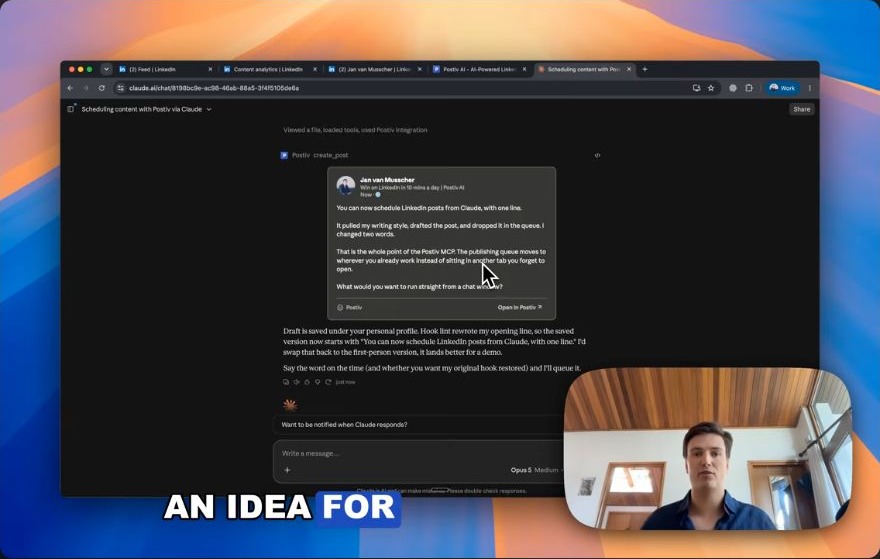
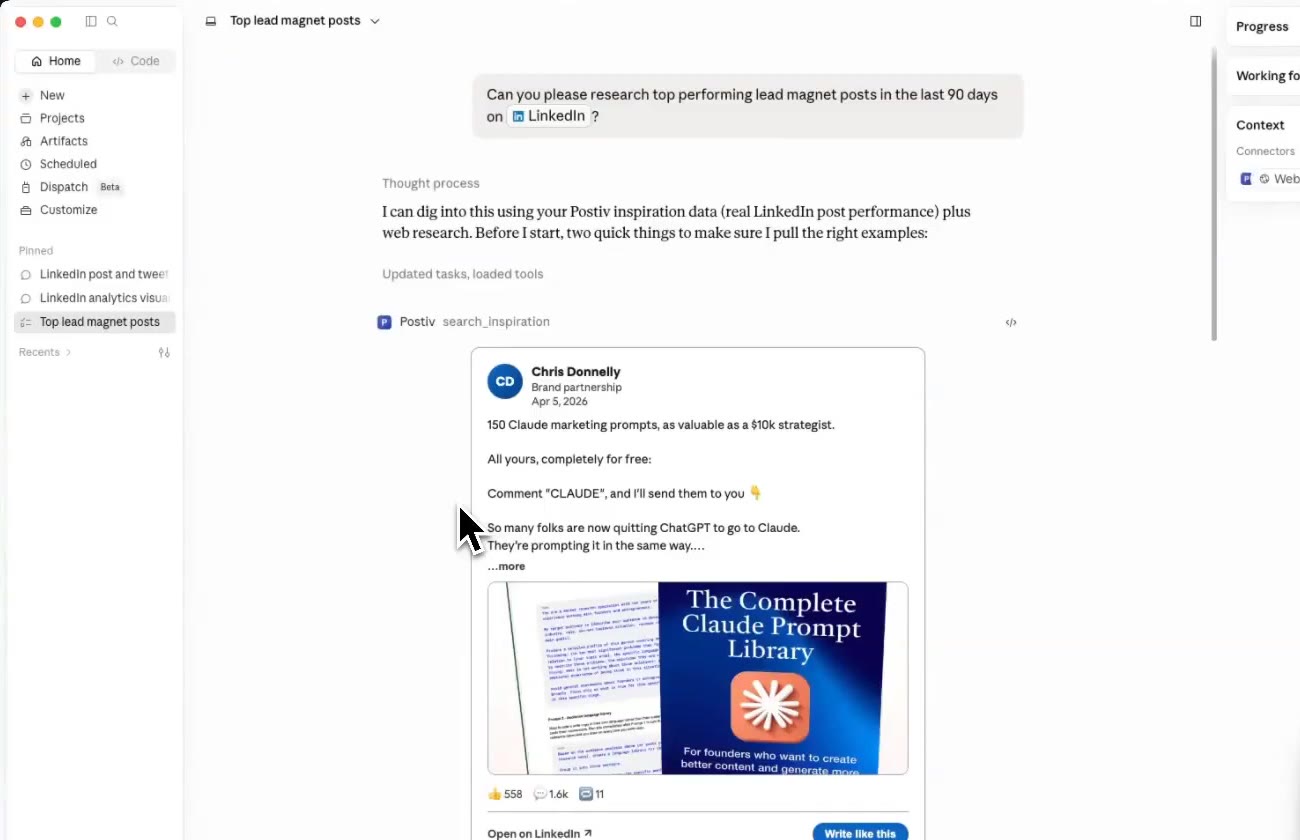
For an assistant, this means you can suddenly generate a week's worth of solid content in the time it used to take to brainstorm a single post. Tools like Postiv AI are designed specifically for this, helping you create posts that still sound like you and look fantastic, no design team required.
Your Core Technology Stack
AI is a massive advantage, but it shines brightest when it's part of a solid set of foundational tools. A truly effective assistant builds a personal tech stack to handle their entire workflow from start to finish.
Your toolkit should cover a few key bases:
- Content Creation & Design: This is your home for AI writing assistants and easy-to-use design platforms. Many assistants are turning to AI-powered tools like Parakeet AI to speed up routine tasks and get better insights from data.
- Scheduling & Publishing: Non-negotiable for efficiency. You need a reliable tool to plan, schedule, and automatically publish your content across all your social channels, and comparing LinkedIn scheduling tools is a good place to start. The best ones also offer insights on when your audience is most active. If you're evaluating options, our comparison of the best social media management software for small business covers 12 platforms with pricing and pros/cons.
- Analytics & Reporting: The built-in analytics on social platforms are a good start, but dedicated tools give you a much deeper view. They help you track what’s working, spot your top content, and build clear, easy-to-read reports.
The most valuable tools are often the ones that combine these functions. For instance, Postiv AI puts a brand-trained AI writer, a carousel designer, and a content scheduler all in one place. You can explore our guide on other powerful AI content creation tools to find what works for you.
Ultimately, the right toolkit helps a social media marketing assistant work smarter, not just harder, and deliver results that really move the needle for their brand.
Understanding Your Salary and Career Growth

Alright, let's get down to what really matters for your future: your wallet and your career ladder. Landing a role as a social media marketing assistant is more than just a job—it’s a powerful first step into a field that’s absolutely booming. So, what can you realistically expect to make, and where can this role take you?
Your starting salary is a mix of a few key ingredients. Your location is a big one; paychecks in major cities are often higher to keep up with living costs. The industry you’re in matters, too—a fast-paced tech startup will likely have a different budget than a local non-profit.
But the single biggest factor? Your skills. An assistant who just knows how to schedule posts isn't going to earn as much as someone who can write killer copy, design eye-catching graphics, and actually make sense of the analytics. This is where you prove your worth. Before you even talk numbers, do your homework and check out current salary benchmarks for your area and experience level.
Charting Your Career Path
Think of the social media marketing assistant role as your launchpad. It’s where you cut your teeth, learn the ropes, and show what you can do. After a solid year or two of real-world experience, the natural next move is a promotion to a social media specialist or coordinator.
Your career moves as fast as the value you create. When you can draw a straight line from your social media posts to real business results—like new leads or a jump in sales—you'll find your path forward clears up very quickly.
As a specialist, you’ll start owning bigger pieces of the puzzle, maybe running a specific social channel or leading your own small campaigns. From there, the path often leads straight to a Social Media Manager position, where you're the one calling the shots on strategy, managing the budget, and leading the team.
This isn't just wishful thinking; it's a reality driven by massive market demand. By 2026, global spending on social media ads is expected to reach a mind-boggling $219 billion. That’s almost a third of all digital ad budgets. As businesses pour more money into social, they're desperate for talented people to manage it.
How to Accelerate Your Advancement
Want to get from assistant to manager on the fast track? It all comes down to showing your impact and efficiency. Getting comfortable with in-demand tools, especially AI platforms like Postiv AI, can give you a serious leg up.
Here’s how it works in your favor:
- Boosts Your Productivity: You can crank out more high-quality content in a fraction of the time, which frees you up to think about the bigger picture and strategy.
- Enhances Your Skills: It helps you produce copy and visuals that look like they came from a senior-level pro, immediately elevating the quality of your work.
- Provides The Data: You can use the analytics to prove, with hard numbers, that what you’re doing is actually moving the needle for the business.
When you start taking on more responsibility and consistently deliver results you can measure, you’re not just doing a good job—you’re building an undeniable case for your next promotion and a bigger paycheck.
How to Land Your First Assistant Job
So, you're ready to break into the world of social media marketing. That's fantastic. But when you're just starting out, landing that first assistant role can feel like a classic chicken-and-egg problem: you need experience to get a job, but you need a job to get experience.
The secret is to stop telling hiring managers you have skills and start showing them you can get the job done. While a polished resume is a must, it's your portfolio that will make you stand out from the crowd. And you don't need to wait for a job offer to start building it.
Build Your Portfolio with Spec Work
This is where "spec work" becomes your best friend. Think of it as creating a work sample for a potential client who hasn't hired you yet. You can invent a fictional brand or even pick a real company you admire and create a mini-campaign for them, just as if you were their social media marketing assistant.
This isn't just busy work; it’s a powerful way to prove you can think strategically and execute creative ideas.
Here's what a strong spec work portfolio might include:
- A Sample Content Calendar: Map out one week of content for a brand. Detail the post topics, formats (e.g., Carousel, Reel, Story), and write compelling captions.
- Eye-Catching Visuals: Use a tool like Canva to design a few graphics or even a short video that aligns with the brand’s aesthetic.
- Platform-Specific Content: Show your versatility. Write a professional, thought-provoking article for LinkedIn and then draft an engaging Instagram Story series for the same campaign.
Doing this shows incredible initiative. You’re not just waiting for an opportunity; you’re creating your own. It sends a clear signal that you can hit the ground running from day one.
Network and Showcase Your Skills
Your LinkedIn profile should be much more than a static online resume. Treat it as your professional highlight reel. This is the perfect place to share the spec work you've created and post your own thoughtful takes on social media trends or marketing strategies.
This turns your profile into an active demonstration of your passion and knowledge. If you need some guidance, there's some great advice on how to write a summary for LinkedIn that truly captures your value and gets you noticed.
When you get to the interview, be ready to talk about your portfolio with confidence. Don't just present the work; explain the strategy behind it. Why that platform? What was the goal of that specific post? What audience were you trying to reach?
This kind of proactive, strategic thinking is precisely what managers are desperate to find in a new hire. By giving them tangible proof of your skills and passion, you put yourself in the best possible position to land that exciting first role.
Frequently Asked Questions
Breaking into a new field like social media always brings up a ton of questions. Let's tackle some of the most common ones I hear from aspiring social media marketing assistants.
Do I Need a Marketing Degree?
Honestly? No, you don't always need a marketing degree. While a formal education certainly doesn't hurt, most hiring managers I know are far more interested in your practical skills and real-world experience.
A strong portfolio that shows you can write compelling copy, create eye-catching designs, and think strategically will almost always be more powerful than a diploma on its own. At the end of the day, employers want to see that you can get results. If you can prove that, you’ll be a strong contender.
How Can I Get Experience Without a Job?
This is the classic chicken-and-egg problem, right? The good news is, you can absolutely solve it by being proactive and creating your own opportunities.
- Help a local small business or a nonprofit you care about. Many are desperate for social media help and would be grateful for the support.
- Become your own first client. Start a personal brand or a blog about something you love. This is a fantastic way to practice creating content and growing an audience from scratch.
- Create "spec work" for your portfolio. Pick a brand you admire and build a sample social media campaign for them.
Taking these steps shows incredible initiative and gives you concrete results to show off in your portfolio and talk about during interviews.
What Tools Should a Social Media Marketing Assistant Know?
The essential toolkit includes a design platform like Canva for creating on-brand graphics, a scheduling tool like Postiv AI or Buffer for planning and publishing content, and the native analytics dashboards on each social platform. Increasingly, employers also expect familiarity with AI writing assistants and content ideation tools. The more hands-on experience you can demonstrate with these tools, the stronger your candidacy will be.
How Much Does a Social Media Marketing Assistant Earn?
Entry-level salaries for social media marketing assistants typically range from $35,000 to $50,000 per year in the US, depending on your location, industry, and skill set. Assistants who can demonstrate strong AI tool proficiency, data analysis skills, and measurable results often command higher salaries and faster promotions to specialist or manager roles.
Ready to create high-impact LinkedIn content that gets you noticed? Postiv AI combines a brand-trained AI writer with a powerful carousel designer and scheduler, helping you build authority in minutes. Start your free trial today.